Financing Options Now Available
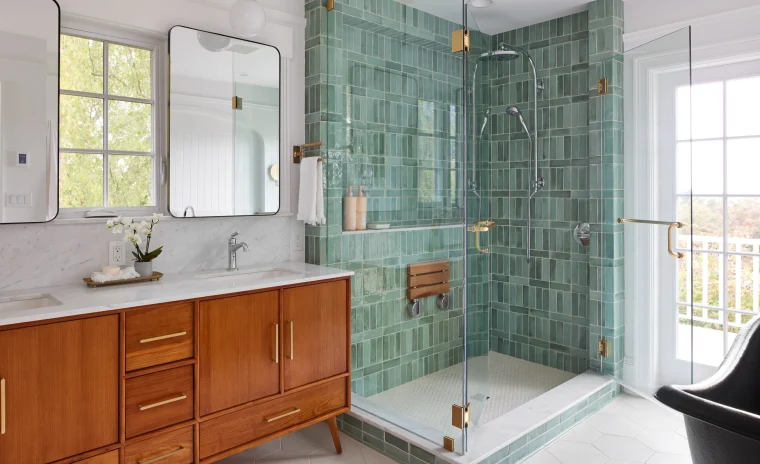
Transform Your Bathroom with Smart Tub to Shower Conversion Ideas
Costs, Plumbing Tips, and Permit Requirements for a Smooth Remodel
If you’ve been thinking about replacing your old bathtub with a modern, low-maintenance shower, you’re not alone. Homeowners across Hanover, PA, and beyond are choosing tub to shower conversions to improve safety, comfort, and style. Whether you’re planning for aging-in-place convenience or simply want to update an outdated bathroom, this project can completely refresh your space.
In this guide, we’ll walk you through the best tub to shower conversion ideas, explain the cost of a tub to shower conversion, share plumbing and permit insights, and help you understand how to do a tub to shower conversion step by step.
Why More Homeowners Are Choosing a Tub to Shower Conversion
For years, bathtubs were a staple in residential bathrooms. But today’s homeowners are prioritizing efficiency, accessibility, and design. A well-planned tub to shower conversion can deliver all three.
Here’s why conversions have become so popular:
- Accessibility: Walk-in showers and barrier-free entries make daily routines safer and easier, especially for seniors or those with mobility challenges.
- Space Optimization: Removing a bulky tub can open up the room, making smaller bathrooms feel larger and more functional.
- Modern Aesthetics: Sleek tile walls, glass doors, and rainfall showerheads add a fresh, spa-like feel.
- Home Value: Bathroom remodels often deliver a strong return on investment, especially when functionality improves.
Tub to Shower Conversion Ideas for Every Style and Space
When exploring tub to shower conversion ideas, start by considering your lifestyle, design preferences, and available space. Here are a few creative directions that blend beauty and practicality:
1. Walk-In Shower with Frameless Glass Doors
Frameless glass offers a clean, modern look that makes even compact bathrooms feel open. Combine it with light tile colors or marble-inspired surrounds for a timeless design.
2. Corner Shower for Small Bathrooms
If you’re working with limited space, a corner shower is a great way to maximize every inch. Add built-in shelves or niches for storage without clutter.
3. ADA-Compliant Showers
For accessibility, consider a curbless entry and non-slip flooring. Add grab bars, bench seating, and a handheld showerhead for both safety and comfort.
4. Luxury Spa Shower
For a more indulgent experience, install multiple showerheads, body sprays, or a rainfall fixture. Incorporate LED lighting or a steam feature to recreate a spa retreat at home.
5. Tile Accent Walls and Built-In Niches
Use bold or patterned tile as an accent wall behind the shower fixtures to create a focal point. Recessed niches keep toiletries neatly stored while adding visual interest.
6. Acrylic Shower Surrounds
If you want durability and easy maintenance, acrylic or fiberglass surrounds are an affordable, attractive choice. They resist mold, mildew, and staining, perfect for busy households.
Understanding the Cost of a Tub to Shower Conversion
The cost of a tub to shower conversion varies based on several factors, including materials, labor, plumbing, and additional design upgrades. On average, homeowners can expect to invest anywhere from $3,000 to $10,000 for a professional conversion.
Here’s a closer breakdown of cost factors:
| Factor | Estimated Cost Range | Description |
| Demolition & Removal | $300 – $800 | Removing old tubs, tiles, and plumbing fixtures. |
| Plumbing Adjustments | $500 – $1,500 | Rerouting water lines and drains for the new shower setup. |
| Shower Base & Walls | $1,000 – $4,000 | Includes acrylic, tile, or stone material options. |
| Fixtures & Accessories | $500 – $2,000 | Showerheads, valves, handles, doors, and accessories. |
| Labor & Installation | $1,000 – $3,000 | Professional installation and finishing work. |
Pro Tip:
If you choose ADA-compliant features such as grab bars or built-in seating, costs may increase slightly, but so will long-term value, comfort, and safety.
Plumbing for Tub to Shower Conversion – What You Need to Know
Updating the plumbing for a tub to shower conversion is one of the most critical parts of the remodel. Since tubs and showers have different drain locations and water line requirements, careful planning ensures your new system functions perfectly.
Here’s what goes into the plumbing phase:
Drain Relocation and Size Upgrade
Bathtubs typically use a 1½-inch drain, while showers require a 2-inch drain to handle higher water flow. Your plumber will inspect the existing system and determine whether upgrades or relocations are needed.
Water Supply Lines
Adjustments may be necessary to position the shower valve, showerhead, and diverter correctly. For modern showers, thermostatic mixing valves are often added to maintain a consistent temperature.
Waterproofing and Subfloor Checks
Once the plumbing is set, the subfloor must be inspected for damage or rot. Waterproof membranes and proper slope-to-drain installation prevent leaks and ensure long-term durability.
Fixture Selection
Choosing quality fixtures matters. Look for corrosion-resistant materials, efficient flow rates, and features that balance function with aesthetics.
Tub to Shower Conversion Permit Requirements
While smaller cosmetic updates may not require approval, most full tub to shower conversions do. Understanding tub to shower conversion permit requirements helps you avoid fines and ensure your project meets local building codes.
When You Need a Permit
You’ll typically need a permit if your conversion involves:
- Plumbing alterations (such as moving drains or water lines)
- Structural changes (like wall removal or reinforcement)
- Electrical updates (for lighting or exhaust fans)
- Accessibility modifications (adding grab bars or custom thresholds)
In Hanover, PA, permits are usually obtained through the local building department. Your contractor, such as Atlas Remodeling – Bathrooms, Windows, & Doors, can handle the paperwork and inspections on your behalf.
Why Permits Matter
Permits protect you as the homeowner. They ensure:
- The work meets safety and building codes.
- Plumbing and electrical systems function properly.
- Your home remains insurable and maintains resale value.
Skipping permits might save time upfront but can cause costly issues later, especially when selling your home or filing insurance claims.
How to Do a Tub to Shower Conversion Step by Step
Wondering exactly how to do a tub to shower conversion? Here’s a simplified overview of the process so you know what to expect.
Step 1 – Planning and Design
Start by assessing your bathroom layout. Decide on your preferred shower style: walk-in, corner, or enclosed, and gather design inspiration. Measure your space carefully to ensure your new shower fits comfortably.
Step 2 – Remove the Existing Tub
This involves disconnecting plumbing, removing the old tub, and clearing out tiles or wall panels. Proper protection of surrounding areas (flooring and fixtures) prevents accidental damage.
Step 3 – Plumbing Modifications
Your plumber will reroute or extend water lines, upgrade the drain system, and ensure all connections are up to code.
Step 4 – Install Shower Base and Walls
After plumbing adjustments, the shower pan is installed and leveled. Then, wall surrounds (tile, acrylic, or fiberglass) are attached, sealed, and waterproofed.
Step 5 – Fixtures and Finishing Touches
Showerheads, valves, glass doors, and accessories are installed. Caulking and sealing complete the look, creating a watertight, polished finish.
Step 6 – Cleanup and Inspection
Once installation is complete, your contractor will test the plumbing, check drainage, and schedule any required inspections before final cleanup.
Tips for a Smooth Tub to Shower Conversion
A successful conversion combines proper planning, quality materials, and skilled craftsmanship. Here are some ways to keep your project on track:
- Work with licensed professionals: Hire a remodeling company experienced in plumbing and bathroom renovations.
- Set a realistic budget: Factor in labor, materials, and contingencies for unexpected repairs.
- Prioritize waterproofing: Proper membranes and sealing prevent long-term damage.
- Select easy-to-clean materials: Non-porous surfaces like acrylic or ceramic tile reduce maintenance.
- Include accessibility upgrades: Add grab bars, low thresholds, and non-slip floors for safety.
- Don’t skip permits: Compliance ensures safety, quality, and resale protection.
Common Mistakes to Avoid
Even small errors can lead to leaks or functionality issues. Avoid these common mistakes:
- Overlooking subfloor or wall damage before installation.
- Using incorrect slope for the shower base (leading to pooling water).
- Failing to properly seal joints and corners.
- Installing mismatched plumbing fixtures or valves.
- Neglecting ventilation (leading to moisture buildup).
DIY vs. Professional Tub to Shower Conversion
You might wonder whether you can handle the project yourself. While DIY conversions are possible, they require plumbing, waterproofing, and construction experience. Mistakes can be costly and may void your home insurance coverage.
Hiring a professional remodeling company like Atlas Remodeling – Bathrooms, Windows, & Doors ensures:
- Code-compliant plumbing installation
- Correct waterproofing and drainage
- Safe electrical integration
- Durable, lasting craftsmanship
Professionals also save time and handle all permit requirements, inspections, and cleanup, leaving you with a ready-to-use shower without the stress.
Elevate Your Bathroom with a Custom Tub to Shower Conversion
A tub to shower conversion isn’t just a style upgrade; it’s an investment in comfort, accessibility, and long-term home value. Whether you prefer a sleek modern design or a simple, practical setup, the right remodel can completely transform your bathroom.
At Atlas Remodeling – Bathrooms, Windows, & Doors, we help homeowners in Hanover, PA, and surrounding areas plan and complete their projects with dependable service, transparent pricing, and top-quality materials. From plumbing and permitting to installation and finishing touches, we make the process easy and stress-free.
Ready to explore your own tub to shower conversion ideas?
Call (717) 493-8332 today for a free estimate or ask about our veteran discounts and financing options.
Key Takeaways
- The cost of a tub to shower conversion typically ranges from $3,000 to $10,000.
- Plumbing for tub to shower conversion may require upgraded drains and reconfigured lines.
- Always check tub to shower conversion permit requirements before starting your project.
- Understanding how to do a tub to shower conversion helps you plan, budget, and avoid mistakes.
- Partnering with a trusted remodeling team ensures lasting quality and peace of mind.